
Choosing the Right Oil for Your Engine
Selecting the correct engine oil is essential for maintaining engine health and performance. The right oil reduces wear, improves efficiency, and extends engine life. This guide covers key factors to consider when choosing engine oil.
Understanding Engine Oil Types
Engine oils come in three main types: mineral, synthetic, and semi-synthetic. Each has distinct properties and applications.
Mineral Oil: Derived from crude oil. Suitable for older engines or low-mileage vehicles. Less expensive but requires more frequent changes.
Synthetic Oil: Chemically engineered for superior performance. Offers better protection at extreme temperatures and longer intervals between changes.
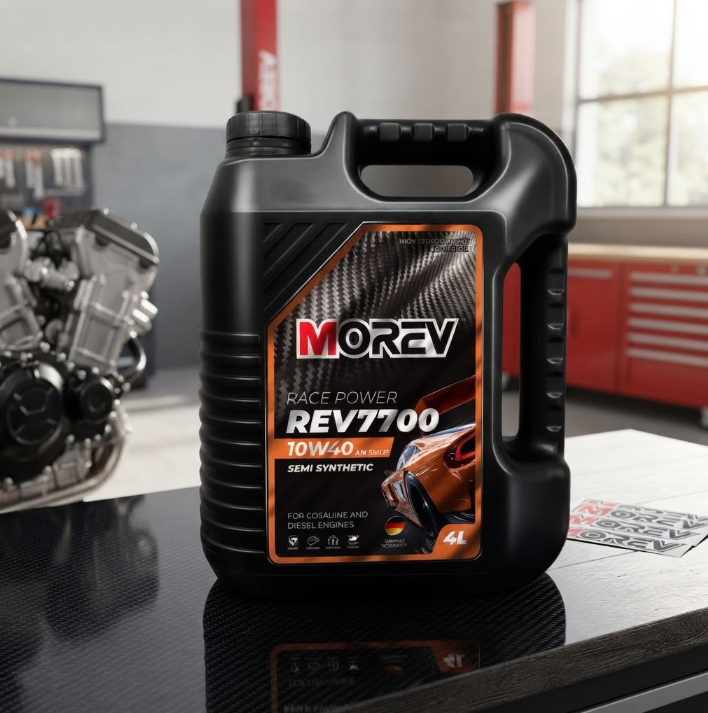
Semi-Synthetic Oil: A blend of mineral and synthetic oils. Balances cost and performance.
Choosing the right type depends on the engine design, driving conditions, and manufacturer recommendations.

Key Specifications to Consider
Engine oils have specifications that indicate their performance level and suitability.
Viscosity Grade: Indicates oil thickness and flow at different temperatures. Common grades include 5W-30, 10W-40. The first number with "W" refers to winter viscosity; the second number is the oil’s thickness at operating temperature.
API Service Classification: Defines oil quality and engine compatibility. Look for the latest API rating suitable for your engine.
ACEA Ratings: European standard for oil performance. Important for vehicles operating in Europe or meeting European standards.
Manufacturer Approvals: Some engines require oils meeting specific manufacturer standards. Always check the vehicle manual.
Using oil with the correct specifications ensures proper lubrication and engine protection.
How to Read Oil Labels
Oil labels provide essential information. Understanding them helps in making the right choice.
Viscosity: Usually displayed prominently, e.g., 5W-30.
Performance Standards: API, ACEA, or manufacturer approvals.
Additives: Some oils include detergents, anti-wear agents, or friction modifiers.
Change Interval: Recommended mileage or time between oil changes.
Always verify that the oil matches your engine’s requirements before purchase.

Factors Affecting Oil Choice
Several factors influence the best oil for an engine.
Engine Age and Condition: Older engines may benefit from thicker oils or mineral oils. Newer engines often require synthetic oils.
Driving Conditions: Frequent short trips, stop-and-go traffic, or extreme temperatures demand oils with specific properties.
Fuel Type: Diesel and gasoline engines have different oil requirements.
Climate: Cold climates require oils with lower winter viscosity for easier starts. Hot climates need oils that maintain viscosity at high temperatures.
Adjust oil choice based on these factors to optimize engine performance.
Benefits of Using Certified Oils
Certified oils meet international standards for quality and performance. Using certified oils offers:
Reliable Protection: Certified oils undergo rigorous testing for wear protection and cleanliness.
Improved Fuel Efficiency: Proper lubrication reduces engine friction.
Extended Engine Life: Reduces deposits and corrosion.
Warranty Compliance: Using approved oils maintains vehicle warranty validity.
Morevoil provides a range of certified oils that meet these standards, ensuring dependable engine care.
Tips for Maintaining Engine Oil
Proper oil maintenance complements choosing the right oil.
Regular Oil Changes: Follow manufacturer intervals or adjust based on driving conditions.
Check Oil Level: Inspect regularly to avoid low oil levels.
Use Quality Filters: Replace oil filters during oil changes to maintain oil cleanliness.
Monitor Oil Condition: Dark, gritty oil indicates the need for a change.
Consistent maintenance maximizes the benefits of the chosen oil.
Final Thoughts on Engine Oil Selection
Choosing the right engine oil requires attention to type, specifications, and vehicle needs. Use oils that meet or exceed manufacturer standards. Consider driving habits and climate when selecting viscosity and oil type. Certified oils provide assurance of quality and performance. Proper oil choice and maintenance protect the engine and improve vehicle reliability.
For more detailed information on engine oils and to explore certified options, visit morev.


Comments