
7 Signs It's Time to Change Engine Oil

Your engine oil is often called the lifeblood of your vehicle—and for good reason. It lubricates moving engine components, reduces friction, removes contaminants, and helps regulate engine temperature. Over time, however, engine oil breaks down and loses its ability to protect your engine effectively.
Ignoring oil changes can lead to poor fuel economy, reduced performance, and even costly engine repairs. Here are seven common signs that it's time to replace your engine oil.
1. Your Engine Oil Looks Dark and Dirty
Fresh engine oil is typically amber in color and flows smoothly. As it circulates through the engine, it collects dirt, dust, and combustion by-products, causing it to become darker and thicker.
Check your dipstick regularly. If the oil appears black, gritty, or sludgy, it's time for an oil change.
2. The Engine Is Noisier Than Normal
Engine oil forms a protective layer between moving metal parts. When the oil becomes old or insufficient, metal-to-metal contact increases, creating knocking, ticking, or rattling sounds.
If your engine suddenly becomes louder than usual, worn-out engine oil may be the cause.
3. Dashboard Oil Warning Light Comes On
Modern vehicles are equipped with an oil pressure or engine oil warning light. If this light illuminates, don't ignore it.
It could indicate:
Low engine oil level
Poor oil pressure
Oil that has deteriorated and no longer performs effectively
Have your vehicle inspected as soon as possible.
4. Reduced Fuel Efficiency
Old engine oil creates more internal friction, forcing the engine to work harder. This often results in higher fuel consumption.
Replacing old oil with the correct grade of high-quality engine oil helps your engine run more efficiently and may improve fuel economy.
5. You Notice a Burning Oil Smell
A burning oil smell inside or outside the vehicle may indicate leaking oil or oil that has overheated.
This should never be ignored, as prolonged overheating can cause severe engine damage.
6. You've Reached the Recommended Service Interval
Even if your car feels perfectly fine, engine oil should be replaced according to the manufacturer's maintenance schedule.
Typical intervals include:
Mineral Oil: Every 5,000 km
Semi-Synthetic Oil: Every 7,000–8,000 km
Fully Synthetic Oil: Every 10,000–15,000 km (depending on vehicle and driving conditions)
Always refer to your owner's manual for the correct recommendation.
7. Your Car Frequently Drives in Heavy Traffic
Malaysia's hot climate and frequent stop-and-go traffic place extra stress on your engine.
If you regularly drive in city traffic, make short trips, or carry heavy loads, your engine oil may deteriorate faster than under normal driving conditions.
Regular maintenance becomes even more important in these situations.
Why Choosing Quality Engine Oil Matters
Not all engine oils are created equal. Premium engine oil provides:
Excellent wear protection
Better engine cleanliness
Improved fuel efficiency
Enhanced high-temperature stability
Longer engine life
Using high-quality engine oil helps ensure consistent performance whether you're driving daily, travelling long distances, or operating under demanding conditions. Engine oil plays a vital role in reducing friction, preventing sludge buildup, and protecting critical engine components from premature wear.
Engine Oil Malaysia
Final Thoughts
Changing your engine oil on time is one of the simplest and most cost-effective ways to protect your vehicle. Paying attention to these warning signs can prevent expensive repairs and keep your engine performing at its best.
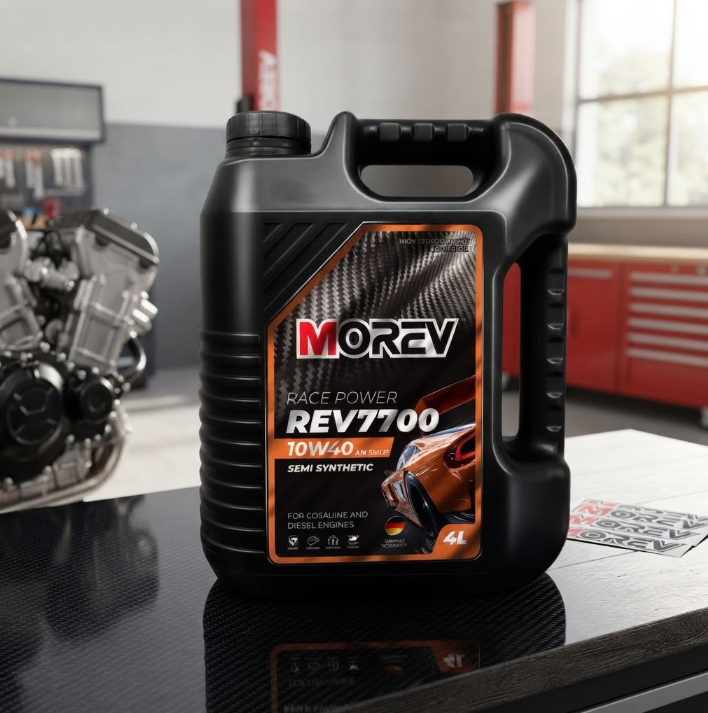
At Morevoil, we're committed to providing high-quality engine oils that deliver reliable protection, excellent performance, and long-lasting engine care. Whether you drive a compact city car, SUV, or performance vehicle, choosing the right engine oil is an investment in your vehicle's future.
Protect your engine today—because every great journey starts with the right engine oil.


Comments